Attic Restoration
The animals are gone. But the damage they left behind is still making your family sick.
Most homeowners think the problem ends when the wildlife is removed. It doesn’t. Contaminated attic insulation releases harmful bacteria, viruses, and fungal spores into the air your family breathes every single day — through your HVAC system, into every room, 24 hours a day. Midway Pest Management performs complete attic restorations across the Kansas City metro — removing every trace of contamination and replacing your insulation with something better than what was there before.
✓ TAP® Certified Installer — your attic comes back with Energy Star® rated pest control insulation that protects three ways.
What’s really happening above your ceiling right now
You can’t see it from your living room. You might not even smell it yet. But if wildlife has been in your attic — even months or years ago — the contamination is still there. It doesn’t break down on its own. It doesn’t dry up and disappear. Here’s what’s happening inside your attic while your family goes about their day below.
Your HVAC is circulating contaminated air
Your furnace and air conditioner pull air from the attic space. Rodent and bat feces break down into microscopic particles that become airborne — hantavirus, histoplasmosis spores, bacteria, and allergens. These particles enter your ductwork and get pushed into every bedroom, every living room, every room where your family eats, sleeps, and breathes. This happens every time your system cycles on.
Parasites are migrating into your living space
When wildlife is removed from an attic, the parasites they carried — fleas, ticks, mites, and bat bugs — don’t leave with them. They lose their host and begin migrating downward through wall cavities, electrical outlets, light fixtures, and HVAC vents into your living space. They’re looking for new hosts. That means you, your children, and your pets.
Your attic is attracting new animals
Rodent urine contains pheromones that signal “safe shelter” to other animals. Raccoon and bat waste has distinct scents that attract the same species back. Until every trace of contamination is physically removed, your attic is broadcasting an open invitation to every mouse, rat, bat, squirrel, and raccoon in the neighborhood. You’ll keep having wildlife problems until the source scent is eliminated.
Diseases transmitted through contaminated attic insulation
These aren’t hypothetical risks. These are documented, medically recognized diseases transmitted through contact with or inhalation of particles from animal waste. The CDC and state health departments have published guidance on every one of them.
Hantavirus Pulmonary Syndrome
Transmitted by inhaling dust from mouse and rat droppings or urine. Causes fever, muscle aches, fatigue — progressing rapidly to severe respiratory distress. Hantavirus has a fatality rate of approximately 38%. There is no cure — only supportive care. The virus remains viable in dried droppings for days to weeks, and any disturbance (even from air currents) can make particles airborne.
Histoplasmosis
Caused by the fungus Histoplasma capsulatum that grows in bat guano and bird droppings. When disturbed, microscopic spores become airborne and are inhaled. Causes flu-like symptoms, chronic lung infection, and can progress to pneumonia. In immunocompromised individuals — including children, elderly, and anyone with respiratory conditions — histoplasmosis can be fatal. The Kansas City region is in the endemic zone for this disease.
Baylisascaris (Raccoon Roundworm)
Parasitic eggs found in raccoon feces that can survive in attic materials for years — even after the raccoons are gone. If accidentally inhaled or ingested, larvae migrate through the body and can cause severe brain damage, blindness, and organ failure. Children are at highest risk because they’re more likely to touch contaminated surfaces and put hands in their mouths. This parasite is the primary reason raccoon waste requires professional handling.
Salmonella & Leptospirosis
Rodent and raccoon droppings and urine carry Salmonella and Leptospira bacteria that contaminate surfaces and insulation throughout the attic. Salmonella causes severe gastrointestinal illness. Leptospirosis can progress to kidney failure, liver damage, and meningitis. Both bacteria can remain viable on contaminated materials for extended periods — meaning your attic stays dangerous long after the animals leave.
Rabies (residual exposure risk)
Bats and raccoons are the leading carriers of rabies in the United States. While rabies is primarily transmitted through bites or scratches, dried saliva and waste in your attic can contain viral particles. Any unprotected contact with bat or raccoon waste — including during DIY cleanup attempts — carries risk. This is why attic restoration should never be a DIY project.
Allergic reactions & respiratory distress
Even setting aside specific diseases, animal waste in your attic produces allergens that trigger asthma attacks, chronic coughing, sinus infections, and respiratory inflammation — especially in children. Many families experience “mystery” respiratory symptoms for months before discovering that contaminated attic insulation is the source. Once the insulation is removed and the attic sanitized, symptoms often improve dramatically.
How each animal destroys your attic differently
Different animals cause different types of damage — and each requires specific cleanup protocols. Here’s what we find in Kansas City attics based on which animal was living there.
Mice & rats
Mice burrow through blown-in insulation creating tunnels and nesting chambers. They urinate constantly along travel paths, saturating insulation from below where you can’t see it. A colony of 30 mice produces over 1,500 droppings per day — most of it hidden underneath the insulation surface. They also chew through electrical wiring, creating fire hazards concealed inside the contaminated insulation.
Raccoons
Raccoons are heavy — they crush and compact insulation just by walking on it. They designate specific “latrine” areas where feces accumulate in concentrated piles that soak through insulation and can stain the drywall ceiling below. Raccoon roundworm eggs in these feces survive for years. Their urine creates large saturated zones that destroy insulation R-value completely.
Bats
Bat colonies produce massive quantities of guano that accumulate on top of insulation. A colony of 100 bats produces approximately 2,500 droppings per night. Over weeks and months, guano piles grow several inches deep, crushing insulation and creating the perfect environment for histoplasmosis fungus to thrive. Bat urine causes dark staining and strong ammonia odors that permeate through ceilings into living spaces.
Squirrels
Squirrels tear insulation apart to build nests, pulling fibers loose and creating large bare spots where your attic has zero thermal protection. They chew through electrical wiring — the single most dangerous thing any attic animal does. They cache food in insulation (nuts, seeds, debris) which attracts insects and secondary pest problems. Their urine and feces add contamination on top of the physical destruction.
Birds
Birds bring nesting material into attic vents — straw, twigs, feathers, and debris that block ventilation and create moisture problems leading to mold. Their droppings carry histoplasmosis and cryptococcosis fungi. Nesting material harbors bird mites that migrate into living spaces when the birds leave. Dead birds in inaccessible areas create severe odor problems and fly infestations.
The compounding effect
Many Kansas City attics we restore have had multiple animal infestations over the years — mice followed by squirrels, or bats leaving and raccoons moving in. Each infestation layers new contamination on top of old, creating complex biohazard conditions that require thorough professional remediation. The longer it’s been since the original infestation, the more deeply contamination has penetrated.
This is what we find — and what we fix
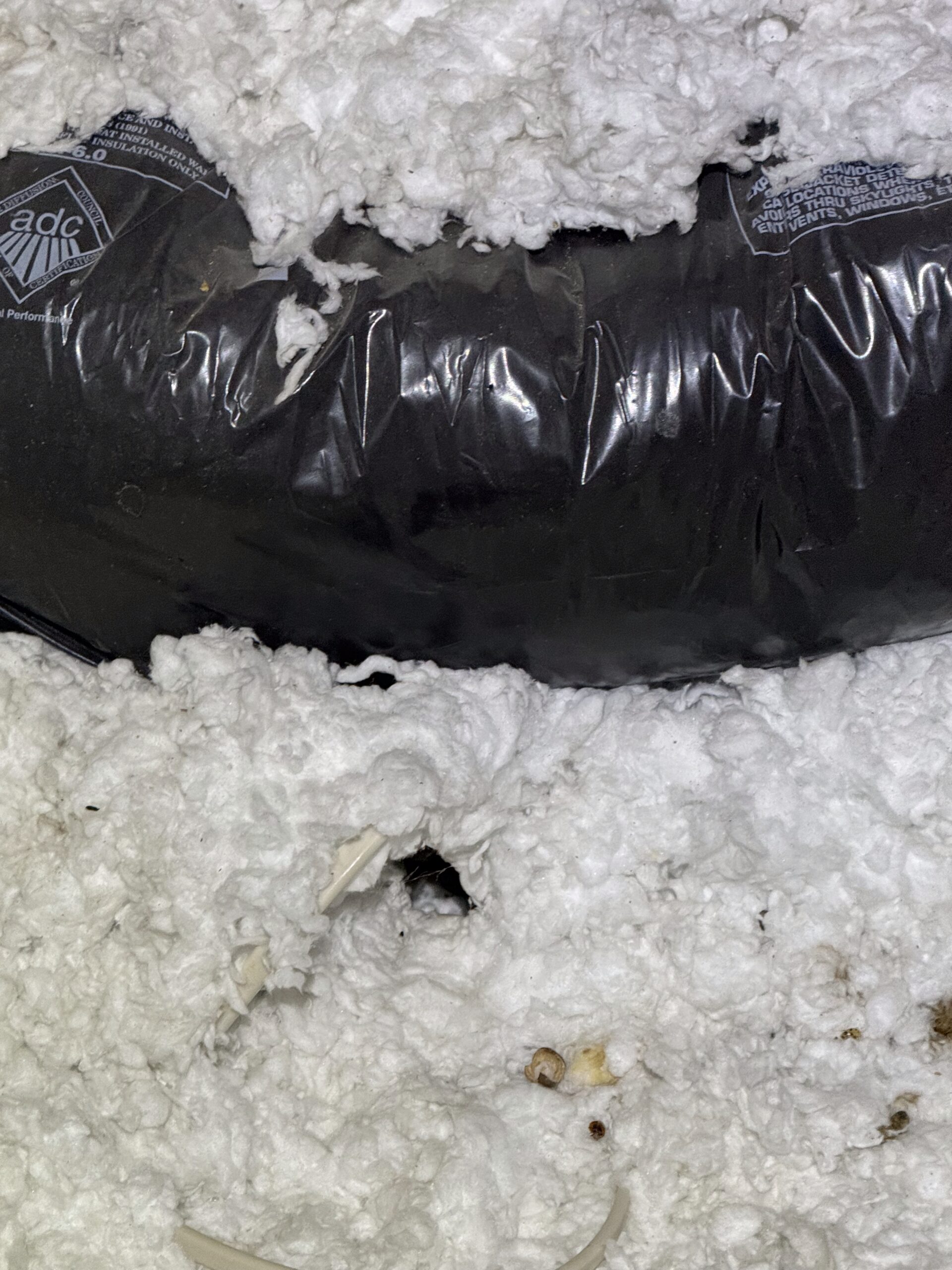
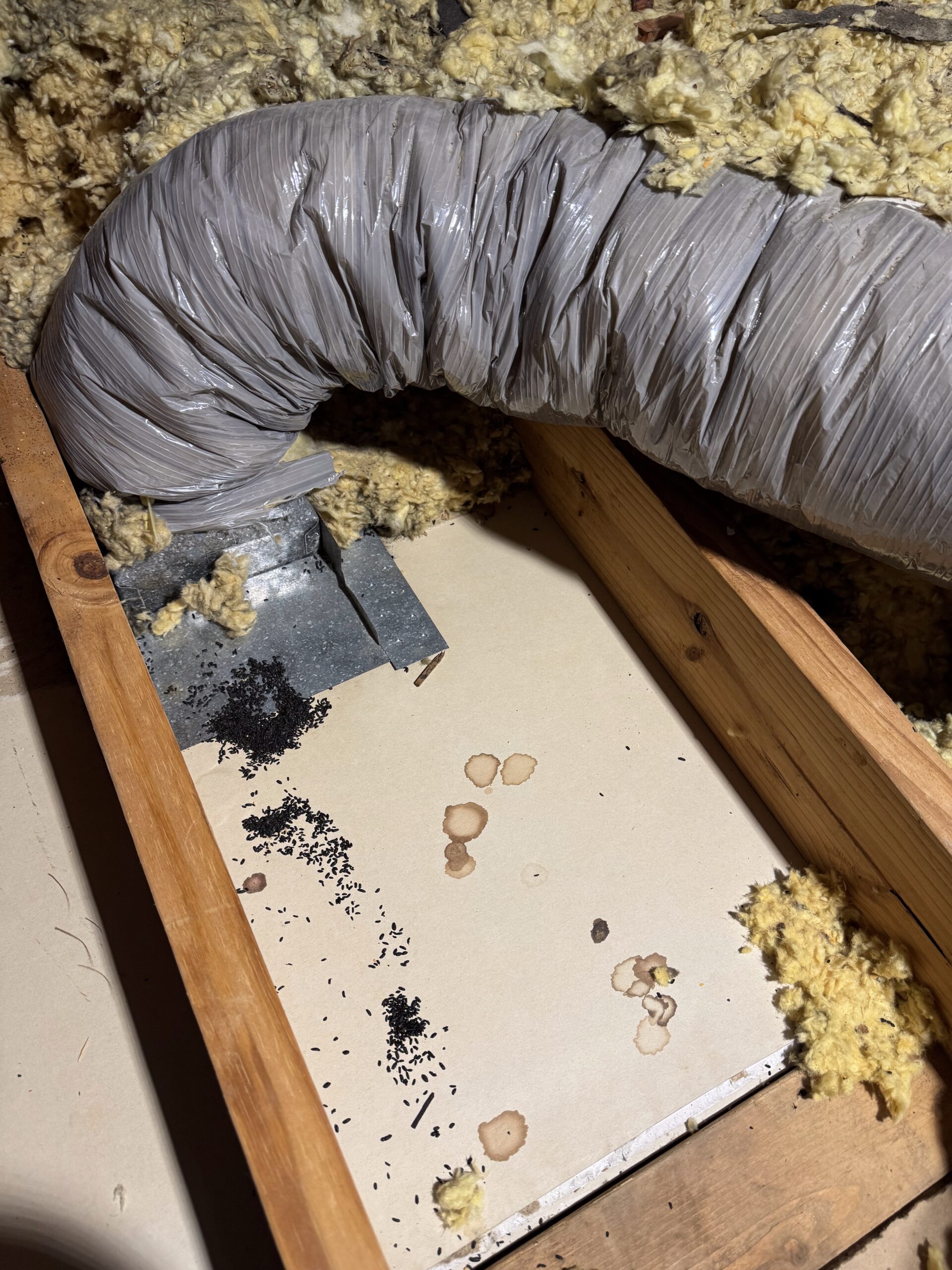
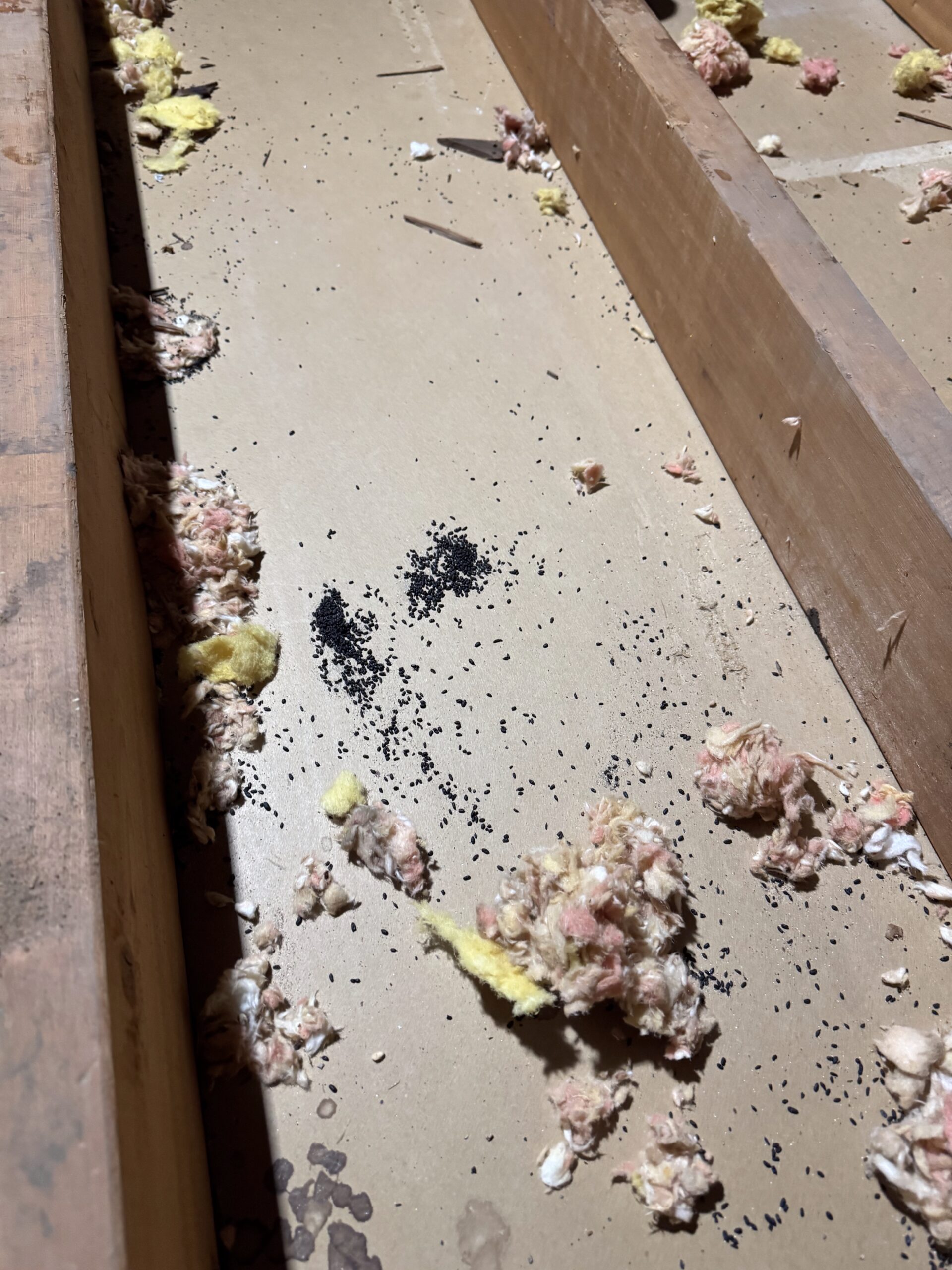
These are real images from attic restorations we’ve performed in the Kansas City metro. Not stock photos. This is what’s hiding above your ceiling right now if wildlife has been in your attic.
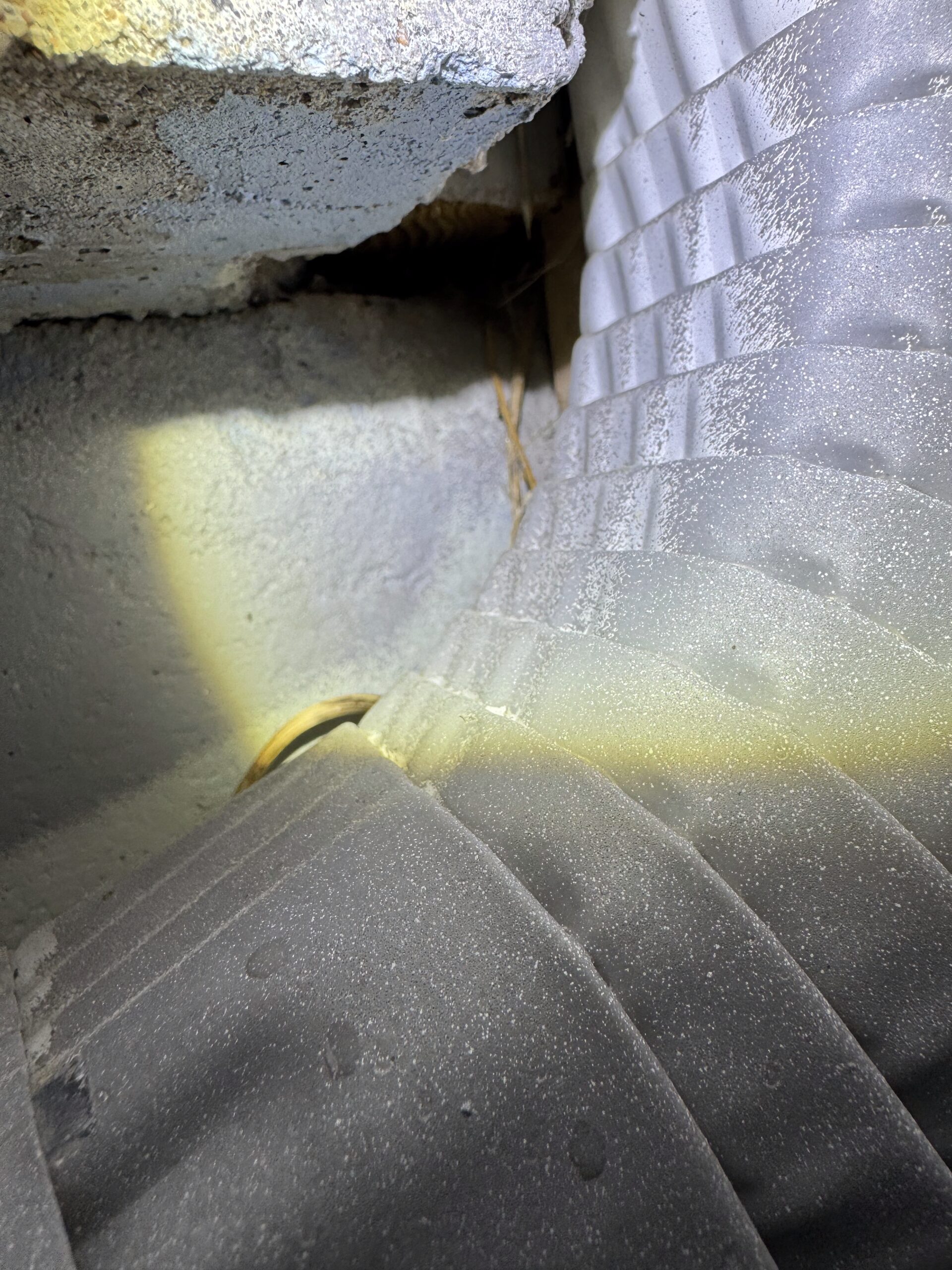
What diseases are hiding in your attic?
Select the animal that was in your attic to see the specific health risks their waste creates.
Mice & Rats
Rodent feces and urine are among the most dangerous biological contaminants found in residential attics.
Why you should never attempt attic cleanup yourself
We get calls from homeowners who tried to clean their attic themselves — and made the problem worse. Here's why DIY attic restoration is genuinely dangerous.
Disturbing waste makes it airborne
The moment you step into a contaminated attic, sweep droppings, or pull up insulation, you launch millions of microscopic particles into the air. Without proper respiratory protection (N95 minimum, preferably a full-face HEPA respirator), you're inhaling hantavirus, histoplasmosis spores, and bacteria directly into your lungs. A dust mask from the hardware store is not adequate protection.
You'll spread contamination downward
Without proper containment protocols, disturbing attic insulation pushes contaminated particles down through light fixtures, electrical outlets, HVAC vents, and ceiling gaps into your living space below. A professional restoration includes containment barriers that prevent this — a DIY attempt typically makes indoor air quality worse, not better.
You can't sanitize without removing first
Spraying disinfectant on top of contaminated insulation doesn't work. The contamination is embedded throughout the material and underneath it on the attic floor. True sanitization requires complete removal of all contaminated material, followed by professional-grade disinfection of the bare surfaces, followed by deodorization. Surface spraying is cosmetic — it doesn't eliminate the biohazard.
How we restore your attic — completely
This isn't a surface cleaning. It's a complete professional restoration using hospital-grade products and commercial equipment. Here's exactly what happens during every Midway attic restoration.
DSV™ disinfectant treatment (first application)
Before anything is touched, we spray the entire attic with Nisus DSV™ — a hospital-grade disinfectant, sanitizer, and virucide. DSV kills hantavirus, E. Coli, Salmonella, fungi, bacteria, and viruses on contact. This makes the space safe for our crew to begin removal work. No reputable company should enter a contaminated attic without this step.
Complete insulation removal
Using commercial-grade vacuum equipment, we remove every piece of contaminated insulation — blown-in, batt, or otherwise. All feces, urine-saturated material, nesting debris, and the insulation itself are extracted and properly disposed of. Nothing contaminated stays behind. We vacuum the attic floor, joists, and every surface until the space is completely bare.
DSV™ treatment (second application) & structural inspection
With the attic stripped to bare surfaces, we apply DSV a second time for complete sanitization. Then we perform a thorough structural inspection — checking every inch for chewed electrical wiring (fire hazard), damaged trusses, compromised structural members, and every entry/exit point wildlife used. This inspection catches problems that were invisible under the insulation.
Bac-Azap® deodorization treatment
We apply Bac-Azap® Odor Encapsulation Technology — a professional-grade triple-action deodorizer. It works three ways simultaneously: replaces existing odors with a clean scent, encapsulates odor molecules so they can't be detected, and deploys live microbes that actively consume the organic matter causing the smell at the molecular level. Your attic comes back completely odor-free.
Air sealing & ventilation optimization
With the attic completely clear, this is the ideal — and often only — opportunity to properly air seal your home. We seal gaps around plumbing penetrations, electrical wiring, HVAC chases, top plates, and recessed lighting that leak conditioned air into the attic. We install proper baffles at the eaves to ensure correct airflow and prevent moisture buildup that leads to mold. This step alone can significantly reduce your energy bills.
TAP® Pest Control Insulation installed to R38
We blow in TAP® Pest Control Insulation to a full R38 value — the recommended insulation level for Kansas City's climate zone. TAP is the only insulation product that does triple duty: thermal insulation (Energy Star® rated, lowers energy bills), acoustic insulation (reduces outside noise through your ceiling), and built-in pest control (kills ants, cockroaches, silverfish, and other common insects on contact). Your attic comes back better, cleaner, and more protected than it was before the animals ever got in.
Why we install TAP® Pest Control Insulation — and why it matters to you
We don't just replace what was destroyed — we upgrade it. TAP® is the only insulation we install because it's the only product that protects your home three ways simultaneously.
Thermal protection — R38 value
TAP® insulation is blown in to R38 — the Department of Energy's recommended level for the Kansas City climate zone (Zone 4). It reduces heat transfer through your ceiling, keeping your home cooler in Missouri and Kansas summers and warmer during our winters. Most homeowners see a measurable reduction in energy bills after restoration — the insulation pays for itself over time.
Acoustic insulation — quieter home
TAP® significantly reduces noise transmission through your ceiling. Rain on the roof, wind, airplane traffic, and neighborhood noise are all dampened. If your old insulation was thin, compressed, or contaminated (all of which reduce its acoustic properties), you'll notice a dramatic difference in how quiet your home feels after TAP installation.
Built-in pest control — permanent protection
TAP® is the only insulation treated with a borate-based pest control agent that kills common household insects on contact — ants, cockroaches, silverfish, termites, and more. The pest control properties are permanent and don't diminish over time. It's EPA-registered and safe for humans and pets. Your attic becomes an active pest barrier instead of just dead space.
Everything included in our attic restoration
One company, one process, one result. We handle everything from wildlife removal to finished insulation — you don't need to coordinate multiple contractors.
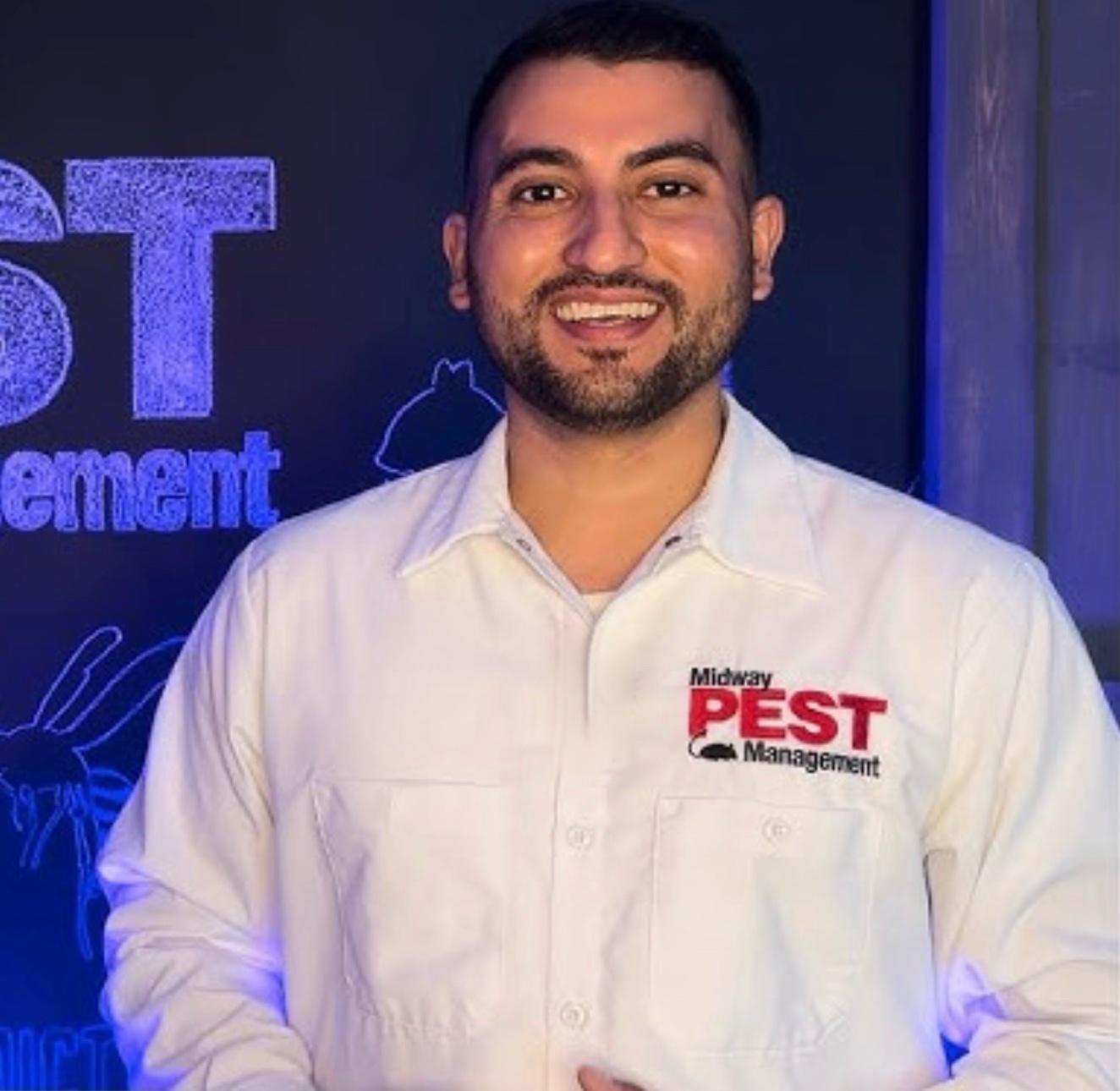
Dear Kansas City Homeowner,
"If animals have been in your attic, the contamination is still there — whether you can see it or not."
My name is Luis Gonzalez. I own Midway Pest Management. Attic restoration is one of the most important services we offer because it directly affects your family's health — and it's the service most other companies either don't offer or do poorly.
I've been in hundreds of Kansas City attics. I've seen what mice, rats, raccoons, bats, and squirrels leave behind. And I can tell you this: the contamination is almost always worse than the homeowner expects. What looks fine from the attic hatch often reveals severe damage once you start lifting insulation and inspecting underneath. That's why we do full restorations — not surface cleanups.
We use hospital-grade disinfectants (DSV™), professional deodorizers (Bac-Azap®), and the best insulation on the market (TAP® Pest Control Insulation). We don't cut corners because the health of your family depends on this work being done right.
My promise on every attic restoration
We remove every trace of contamination, sanitize every surface, seal every entry point, and install insulation that protects your home three ways — thermal, acoustic, and pest control. When we're done, your attic will be cleaner, safer, and more energy-efficient than the day your house was built.
If you even suspect wildlife has been in your attic — past or present — get it inspected. The sooner you know what's up there, the sooner you can protect your family.
What KC-area homeowners say about our work
"Roberto was able to find the source of our mouse issue within 30 minutes — one that had evaded several other companies for over a decade! Midway was prompt, efficient and professional!"
"The service we received from Midway was truly outstanding! They were efficient and kept a close eye on our situation. Luis was so kind and available whenever we needed help."
"Have really been pleased with the quality of pest control they provide. Want to specifically call out Roberto who has been working with us. Very informed and detailed in his work."
"Luis was fantastic. Knowledgeable, professional, and took the time to explain everything clearly. Highly recommend working with him."
"We had Luis out for an inspection due to mice concerns. Thorough, knowledgeable, no pressure. Looking forward to working with Midway."
"Extremely efficient and reliable work! Am so grateful for Luis! He deserves a million stars!"
Attic restoration FAQ
Thorough answers to the questions Kansas City homeowners ask most about attic restoration.
How do I know if my attic needs restoration?
If wildlife has been in your attic — even years ago — the contamination is likely still there. Signs include high energy bills, difficulty maintaining temperature, musty odors from vents, visible staining on ceilings, or a known history of mice, rats, bats, raccoons, or squirrels. The only way to know the full extent is a professional inspection where we lift the insulation and check underneath.
Is contaminated insulation really dangerous?
Yes — this is documented by the CDC and state health departments. Rodent and bat feces contain pathogens that become airborne and circulate through HVAC systems. Hantavirus has a 38% fatality rate. Histoplasmosis can cause chronic lung disease. Raccoon roundworm can cause brain damage. These aren't theoretical risks — they're medically documented diseases present in contaminated attics across Kansas City.
Can I just clean my attic myself?
We strongly advise against it. Disturbing contaminated insulation without proper respiratory protection, containment, and sanitization protocols puts your health at serious risk and can spread contamination into your living space. DIY attic cleanup often makes indoor air quality worse, not better. This work requires professional equipment, hospital-grade disinfectants, and trained technicians.
What is TAP® insulation and why do you use it?
TAP® (Thermal, Acoustic, Pest Control) is the only insulation that protects three ways — R38 thermal value that reduces energy bills, acoustic dampening that reduces noise, and built-in borate pest control that kills common insects on contact permanently. It's Energy Star® rated, EPA-registered, and safe for humans and pets. We use it exclusively because nothing else on the market matches its combination of benefits.
How long does restoration take?
Most attic restorations are completed in 1-3 days depending on attic size and contamination level. Small attics with moderate contamination may be done in one day. Larger homes or severe contamination may take 2-3 days. Our insulation specialist will walk you through the specific timeline for your home during the consultation.
Do you handle the animal removal too?
Yes — our service is end-to-end. We remove the wildlife, seal all entry points, perform the full restoration, and install new insulation. You don't need to hire separate companies for trapping, exclusion, and restoration. We handle the entire problem from the first phone call to the finished attic.
Will this lower my energy bills?
In most cases, yes — measurably. Contaminated, compacted insulation has significantly reduced R-value. Replacing it with R38 TAP® insulation, combined with proper air sealing of penetrations and gaps, restores your attic's thermal barrier to full performance. Many homeowners notice improvement in comfort and energy bills within the first billing cycle after restoration.
Do you push attic restoration when it's not needed?
No — and Luis addresses this directly in his letter above. Not every wildlife job requires attic restoration. If contamination is minimal, we'll tell you. We inspect honestly and only recommend restoration when the insulation is genuinely compromised. We'd rather earn your trust with honesty than sell you a service you don't need.
Your attic is either protecting your family
or poisoning it.
If wildlife has been in your attic — even years ago — the contamination is still affecting your air quality right now. Let our team inspect, restore, and upgrade your attic. Free consultation. Honest assessment. No pressure.